
Understanding Prop Trading Technology
Prop trading technology encompasses the sophisticated systems and software solutions that enable proprietary trading firms to execute their trading strategies efficiently and effectively. These technologies serve as the backbone of modern trading operations, providing traders with advanced tools for market analysis, order execution, risk management, and performance monitoring. In the fast-paced environment of proprietary trading, where milliseconds can determine profitability, the deployment of robust and reliable trading technology is paramount.
Modern prop trading technology integrates complex algorithms and data analytics to analyze vast quantities of financial data in real-time. This allows traders to identify opportunities, optimize entry and exit points, and manage their positions dynamically. Additionally, these systems are built to handle high-frequency trading activities, ensuring that transactions are executed with minimal latency and maximum precision.

Key features of prop trading technology include algorithmic trading capabilities, real-time data feeds, customizable trading interfaces, and comprehensive risk management modules. These functionalities support traders in making informed decisions quickly and maintaining control over their trading activities. Furthermore, integration with global market access platforms ensures that traders can operate across multiple exchanges without significant delays or complications.
In essence, prop trading technology plays a vital role in increasing market participation efficiency, reducing operational risks, and enhancing the overall productivity of trading firms. Its continuous evolution reflects the ongoing pursuit of faster, smarter, and more resilient trading solutions—highlighting the critical importance of advanced technology in the competitive landscape of proprietary trading.
Understanding Prop Trading Technology
Prop trading technology encompasses a comprehensive suite of tools and systems that empower proprietary traders to execute strategies with precision and efficiency. These technologies are designed to process vast amounts of market data, facilitate rapid decision-making, and ensure seamless trade execution, which are critical elements in the fast-paced environment of prop trading. Modern systems leverage high-performance infrastructure, including low-latency servers and direct market access, to maintain competitive edge and optimize trading outcomes.
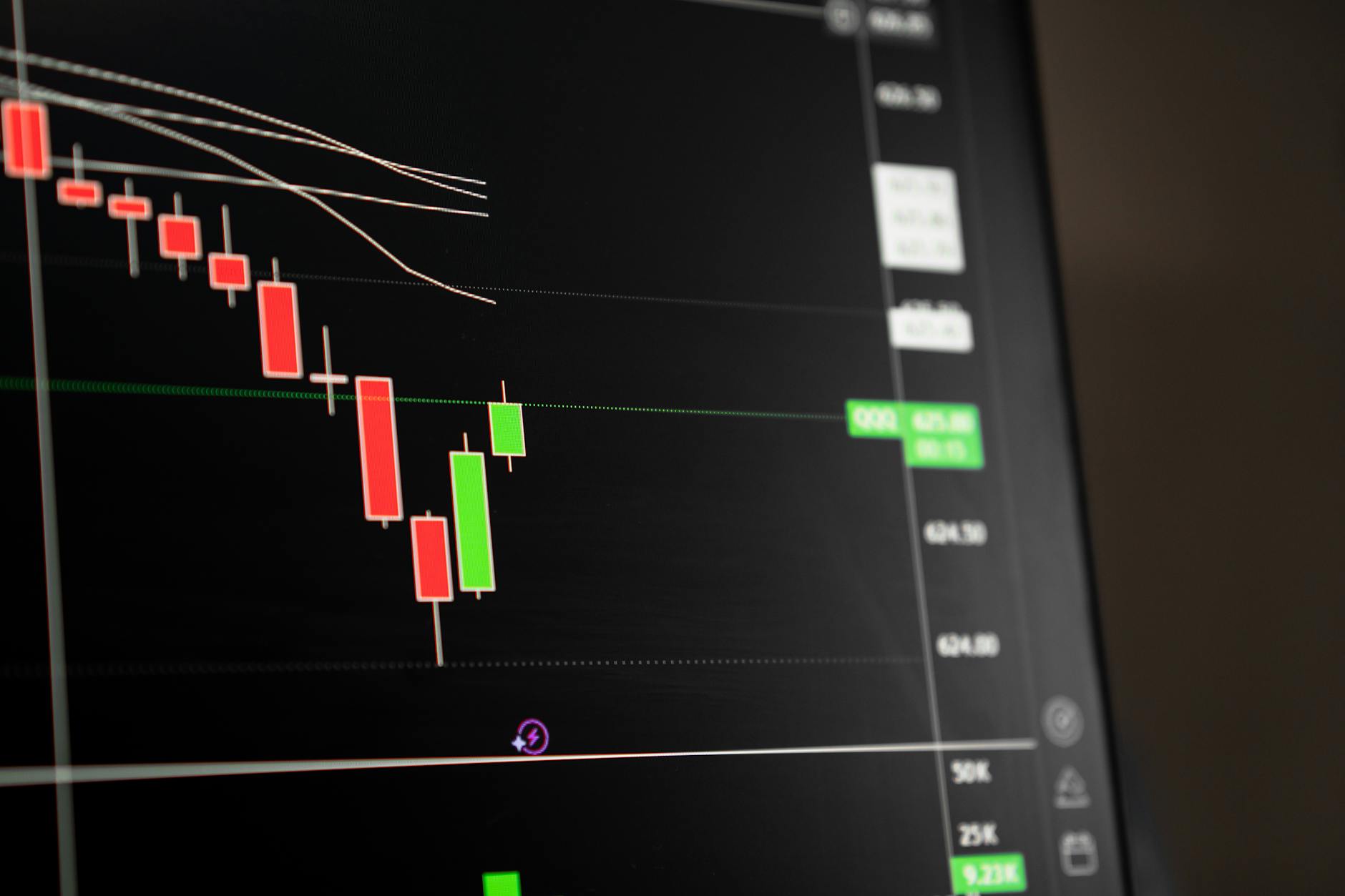
At the core of prop trading technology are sophisticated algorithms that analyze market conditions leveraging real-time data feeds. These algorithms incorporate various strategies, from simple trend-following models to complex machine learning systems that adapt to changing market dynamics. Integration of data analytics tools allows traders to assess multiple variables simultaneously, such as order book depth, price movements, and economic indicators, enhancing their ability to identify profitable opportunities swiftly.
Furthermore, these systems support automated trading capabilities, which can execute trades based on predefined parameters without manual intervention. This automation reduces latency, minimizes human error, and enables traders to capitalize on fleeting market opportunities. Risk management modules are also integrated into these platforms, providing real-time monitoring and control over trading positions, margin requirements, and exposure limits. These features help in maintaining a disciplined approach to trading while adapting to evolving market conditions.
Types of Prop Trading Software
Prop trading firms employ various types of specialized software tailored to different trading styles and strategies:
- Trading Platforms: These are comprehensive interfaces that provide access to markets, charting tools, order management, and analysis features. Popular platforms include MetaTrader, TradingView, and proprietary solutions developed in-house to suit specific strategies.
- Algorithmic Trading Systems: These systems automate trade execution based on algorithmic models, enabling high-frequency and quantitative trading. They often include backtesting tools to evaluate strategy performance against historical data.
- Risk Management Tools: Dedicated modules monitor ongoing trades, calculate value-at-risk (VaR), and enforce trading limits to prevent excessive losses. These tools are crucial for maintaining portfolio stability and adhering to internal risk policies.
- Data Analytics Platforms: Advanced analytics platforms process historical and real-time data to generate insights, signal generation, and predictive models to support decision-making processes.
Key Components of Prop Trading Technology
Effective prop trading technology comprises several vital components:
- Market Data Infrastructure: Reliable and high-speed data feeds are essential for accurate market analysis, enabling traders to monitor multiple markets simultaneously.
- Order Execution Systems: These systems ensure fast, reliable trade execution with minimal latency, often incorporating smart order routing for optimal entry and exit points.
- Algorithmic Engines: Robust algorithms that can adapt quickly to market changes, supported by machine learning and artificial intelligence modules for continuous improvement.
- Risk Management Modules: Real-time controls that monitor positions, enforce risk limits, and automate contingency measures like stop-loss and portfolio rebalancing.
- Connectivity Solutions: Seamless integration with multiple exchanges and liquidity providers to facilitate global trading and to access diverse market opportunities.
Advancements in Trading Technologies
Recent innovations have significantly enhanced prop trading systems. The incorporation of artificial intelligence (AI) and machine learning (ML) allows for adaptive strategies that evolve with market conditions. Cloud computing enables scalable infrastructure, reducing operational costs and increasing computational power for complex analytics. Additionally, the development of ultra-low latency networks and fiber optic connections has minimized execution delays, crucial for high-frequency trading. These advancements contribute to more resilient, faster, and smarter trading environments, providing traders with a competitive advantage.

The Role of Prop Trading Technology in Market Efficiency
Efficient markets depend heavily on the quality and speed of trading infrastructure. Prop trading technology plays an essential role by enabling traders to act on information swiftly, reduce transaction costs, and optimize portfolio management. Automated systems allow for rapid response to market signals, maintaining liquidity and facilitating price discovery. Moreover, advanced risk controls help stabilize markets by minimizing systemic risks associated with large trades or unexpected volatility. These technical capabilities collectively enhance overall market transparency, competitiveness, and efficiency, benefiting all participants.
Understanding Prop Trading Technology
Key Components of Prop Trading Technology
At the core of successful proprietary trading operations lies a sophisticated technological framework that integrates multiple critical components. These include high-speed market data feeds, which provide real-time information necessary for informed decision-making in fast-paced trading environments. Efficient execution algorithms are designed to automatically carry out trades with minimal delay, often utilizing sophisticated strategies such as latency arbitrage or statistical arbitrage. Risk analytics tools monitor trading activities continuously to identify potential vulnerabilities and attain optimal position sizing, thereby mitigating potential losses and maintaining compliance with internal risk parameters.

The integration of these components enables traders to operate with increased precision, speed, and confidence. For instance, ultra-low latency connectivity ensures that orders reach exchanges faster than competitors, maximizing opportunities during volatile market moments. Additionally, advanced order management systems (OMS) streamline trade execution across multiple venues, reducing slippage and improving fill rates. Complementing these systems are comprehensive risk management platforms that analyze portfolio exposure, margin requirements, and potential systemic risks in real-time, providing traders with a clear understanding of their trading environment.
Furthermore, proprietary trading firms increasingly leverage cloud-based solutions to enhance computational capabilities and operational scalability. Cloud infrastructure facilitates rapid deployment of trading strategies, supports large-scale backtesting, and enables seamless data storage and retrieval. Coupled with machine learning-powered analytics, traders can identify subtle market patterns and adapt strategies dynamically, ensuring staying ahead in competitive terrains.
Advancements in Trading Technologies
The evolution of prop trading technology is marked by revolutionary advancements that significantly impact trading efficiency and profitability. Artificial intelligence (AI) and machine learning (ML) now play pivotal roles by analyzing vast volumes of market data to predict trends and generate actionable signals. These intelligent systems can adapt to changing market conditions, providing a dynamic edge to traders who utilize them.
Cloud computing has radically transformed infrastructure setup, offering flexibility and scalability that traditional on-premise solutions could not match. By utilizing cloud platforms, trading firms can dynamically allocate resources based on market activity, reducing downtime and ensuring uninterrupted operations. This adaptability is invaluable during periods of heightened volatility, where rapid scaling of computational resources can be the difference between profit and loss.
Another significant development is the creation of ultra-low latency networks, which use fiber optic connections and direct data feeds to minimize delay. Such infrastructure is crucial for ultra-fast trading strategies like high-frequency trading (HFT), where milliseconds can determine competitive advantage. Enhancements in hardware, including specialized trading servers and colocated data centers, further reduce transmission times, enabling traders to execute orders with unparalleled speed.
These technological improvements foster an environment where trading strategies can be executed more accurately and swiftly, ultimately contributing to a more vibrant and efficient market landscape. The innovative blend of AI, cloud computing, and ultra-low latency connectivity ensures that proprietary trading continues to evolve into a sophisticated activity characterized by speed, intelligence, and resilience.
Understanding Prop Trading Technology
Prop trading technology forms the backbone of modern proprietary trading firms, enabling traders to execute high-speed transactions, analyze vast data sets, and deploy complex algorithms with precision. These systems are designed to facilitate seamless integration across multiple platforms, ensuring that traders can respond swiftly to market movements. Robust infrastructure, combined with advanced software solutions, provides traders with real-time analytics, automated order execution, and risk management functionalities. Properly implemented, prop trading technology helps firms maintain competitive advantages in increasingly dynamic markets. The focus on data accuracy, system reliability, and rapid execution underscores the importance of a comprehensive technological framework in prop trading environments.

Types of Prop Trading Software
Prop trading firms utilize a diverse range of software tailored to specific trading strategies, asset classes, and operational needs. These encompass:
- Execution Platforms: Software that facilitates order placement, monitoring, and management across multiple exchanges, often integrated with advanced order routing capabilities to optimize execution speed and pricing.
- Algorithmic Trading Tools: Automated systems that execute pre-defined trading strategies based on mathematical models, allowing for high-frequency and quantitative trading operations.
- Data Analysis and Visualization: Platforms that aggregate market data, enabling traders to identify trends and make informed decisions through visual representations and statistical models.
- Risk Management Software: Applications designed to monitor trading positions, analyze potential losses, and enforce risk controls, safeguarding firm capital against adverse market movements.
- Backtesting and Simulation Software: Tools that allow traders to test strategies against historical data and simulate market conditions to evaluate potential performance before live deployment.

Key Components of Prop Trading Technology
Effective prop trading technology relies on several core components:
- Low-Latency Data Feeds: Ensuring that traders receive the most recent market information instantaneously, which is critical for timely decision-making.
- High-Performance Computing Infrastructure: Powerful servers and cloud solutions that process complex algorithms and large datasets rapidly, supporting high-frequency trading operations.
- Secure Network Connectivity: Fiber optic connections and dedicated lines that reduce data transmission delays and enhance stability.
- Intelligent Order Routing: Systems that direct orders to optimal venues based on real-time market conditions, improving fill rates and pricing execution.
- Risk and Compliance Modules: Integrated tools that regulate trading activities, ensuring adherence to internal policies and external standards.
These elements work cohesively to enable traders to operate efficiently and effectively in fast-evolving financial markets.
Understanding Prop Trading Technology
Prop trading technology encompasses a broad range of sophisticated systems and platforms designed to empower proprietary traders and trading firms with the tools necessary for executing high-volume, high-speed transactions accurately and efficiently. These technological solutions facilitate rapid decision-making, precise risk management, and seamless connectivity to multiple trading venues. As the trading environment becomes more competitive and complex, firms increasingly rely on advanced technological infrastructure to maintain an edge.
At its core, prop trading technology integrates real-time data analysis, algorithmic trading, order execution, and risk mitigation modules into a cohesive ecosystem. This integration ensures that traders can respond swiftly to market fluctuations, optimize trade execution, and adhere to internal and external regulations. The ongoing development of inventive tools and platforms continues to push the boundaries of what prop trading operations can achieve, making technological proficiency a critical component of success in the financial markets.

Types of Prop Trading Software
Prop trading firms utilize a variety of software solutions tailored to their specific strategies. These differ based on the trading approach, asset class focus, and operational scale.
- Execution Platforms: Specialized trading terminals that provide traders with access to multiple exchanges and liquidity pools, often equipped with direct market access (DMA) features for minimal latency.
- Algorithmic Trading Software: Automated systems that generate and execute trading signals based on predefined algorithms, enhancing speed and removing emotional bias from decision-making.
- Risk Management Software: Applications designed to monitor and control trading positions, enforce risk limits, and prevent excessive exposure, ensuring the safety of proprietary capital.
- Backtesting and Simulation Tools: Applications that test trading strategies against historical data or simulated market environments to assess potential performance before deployment.
- Monitoring and Compliance Software: Solutions that facilitate real-time oversight of trading activities, ensuring adherence to policies and regulatory standards.

Key Components of Prop Trading Technology
Successful prop trading setups depend on the integration of multiple technological elements working in harmony:
- Low-Latency Data Feeds: Critical for traders to access instantaneous market data, enabling rapid reaction to price movements and order opportunities.
- High-Performance Computing Infrastructure: Powerful servers, often cloud-based, capable of processing complex algorithms and large datasets in real time, which is particularly vital for high-frequency trading.
- Secure Network Connectivity: Highly reliable and fast internet connections, such as dedicated fiber optic lines, reduce latency and prevent data loss or delays.
- Intelligent Order Routing: Systems that evaluate market conditions continuously and direct orders to venues offering the best execution prices, thereby maximizing profitability and minimizing market impact.
- Risk and Compliance Modules: Built-in controls that monitor trading activities, enforce limits, and ensure adherence to both internal policies and external regulations.
These components collectively empower traders to operate efficiently, mitigate potential losses, and capitalize on fleeting market opportunities.

Advancements in Trading Technologies
Recent innovations have significantly transformed prop trading, with breakthroughs such as artificial intelligence (AI) and machine learning (ML) playing increasingly prominent roles. These technologies enhance predictive analytics, optimize trading algorithms, and improve the adaptive capabilities of trading systems. Additionally, the integration of cloud computing allows greater scalability and flexibility, enabling firms to expand their trading capacities without substantial infrastructure investments.
Another notable advancement is the development of adaptive risk controls that dynamically adjust parameters based on market volatility and trading patterns. This helps mitigate potential losses during turbulent periods. Furthermore, the adoption of exchange APIs and direct market access solutions continues to reduce latency, giving traders an edge through faster execution times and better price discovery.
Understanding Prop Trading Technology
Prop trading technology encompasses a sophisticated array of software and hardware solutions designed to enhance the efficiency, speed, and accuracy of proprietary trading activities. At its core, these systems facilitate real-time market analysis, automate trade executions, and manage risk with precision. The rapid evolution of digital infrastructure has enabled prop trading firms to develop highly specialized platforms that integrate multiple functionalities, streamlining complex trading operations and allowing traders to capitalize on fleeting market opportunities with agility.
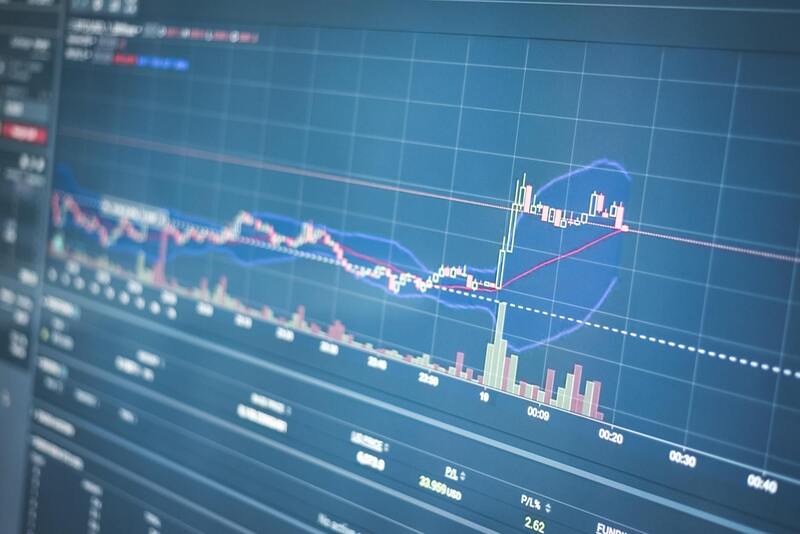
Modern prop trading technology is characterized by its ability to process vast datasets instantaneously. This includes market data feeds, order book information, and economic indicators, which are analyzed through advanced algorithms to identify profitable trading signals. The integration of high-performance computing ensures that these analyses occur with minimal latency, critical for executing trades ahead of competitors. Security measures such as encryption, multi-factor authentication, and secure data centers play a vital role in safeguarding sensitive trading data and maintaining operational integrity.
Furthermore, these systems support a range of trading strategies, from momentum trading to statistical arbitrage, with customizable interfaces and analytics that cater to the specific needs of prop trading desks. The goal is to achieve superior market insights, rapid execution, and comprehensive risk management, establishing a resilient framework for high-stakes financial activity.

Types of Prop Trading Software
The variety of software used in prop trading depends on the specific objectives and operational strategies of trading firms. Key categories include:
- Execution Platforms: These are the interfaces through which traders place orders and interact with markets. They often feature advanced charting, order management, and direct market access capabilities.
- Algorithmic Trading Systems: Automated systems that execute predefined trading algorithms based on market conditions. These platforms enable high-frequency trading, statistical arbitrage, and other quantitative strategies.
- Risk Management Tools: Software designed to monitor and control trading exposure. They provide real-time analytics, limit setting, and scenario testing to minimize potential losses.
- Data Analytics Platforms: Systems that aggregate and analyze market and internal trading data, generating actionable insights that inform strategy adjustments.
- Backtesting and Simulation Software: Essential tools for testing trading algorithms against historical data to validate strategies before deployment in live markets.
Key Components of Prop Trading Technology
Effective prop trading platforms are built on several core components that work cohesively to deliver robust performance:
- Real-Time Data Feed Integrations: High-quality market data feeds provide the foundation for accurate analysis and decision-making.
- Low-Latency Connectivity: Direct connections to exchanges and liquidity providers reduce delays in order transmission, giving traders a competitive edge.
- Advanced Analytics and Algorithms: Machine learning models and statistical tools evaluate market trends and detect trading opportunities with heightened precision.
- Automated Execution Capabilities: Sophisticated order routing algorithms ensure optimal trade execution and price discovery.
- Risk Monitoring and Compliance Modules: Built-in controls enforce trading limits, monitor activity, and ensure adherence to regulatory standards.
- Secure Infrastructure: Robust cybersecurity protocols safeguard sensitive financial information and transaction processes.

Advancements in Trading Technologies
Recent strides in trading technology have significantly elevated the capabilities of prop trading operations. Artificial intelligence (AI) and machine learning (ML) now play an integral role in predictive analytics, helping traders anticipate market movements with greater accuracy. These technologies enable adaptive trading algorithms that evolve based on real-time data, providing a competitive edge during volatile periods.
Cloud computing has revolutionized scalability, allowing trading firms to expand their computational resources and data storage without substantial infrastructural investments. This flexibility supports the deployment of complex models and facilitates rapid response to market changes.
Furthermore, adaptive risk controls—parameters that adjust dynamically based on market volatility and trading patterns—allow for more resilient risk management. Coupled with enhanced connectivity solutions like exchange APIs and direct market access, these innovations minimize latency and improve the precision of trade execution.
Understanding Prop Trading Technology
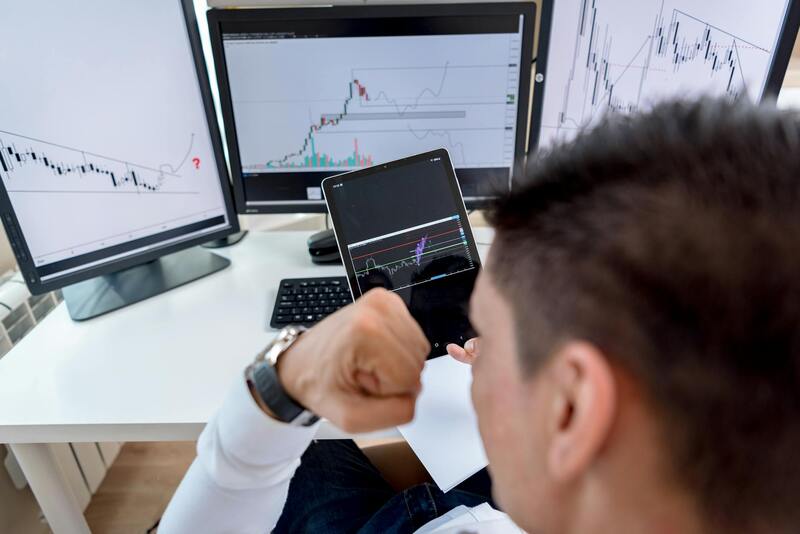
Prop trading technology encompasses a comprehensive suite of digital tools, software, and infrastructure that facilitate proprietary trading activities conducted by firms utilizing their own capital. These technological frameworks enable traders to analyze market data, execute trades with speed and precision, and implement complex strategies that are essential in today's fast-paced financial environment. At its core, prop trading technology aims to give traders a competitive edge by integrating real-time data analytics, automation, and risk management within a secure and reliable platform.
Types of Prop Trading Software
Different types of trading software cater to various operational needs within prop trading firms. These include:
- Execution Platforms: Core software that connects traders to multiple exchanges, enabling rapid and seamless trade execution. They often feature advanced order management systems and real-time market data feeds.
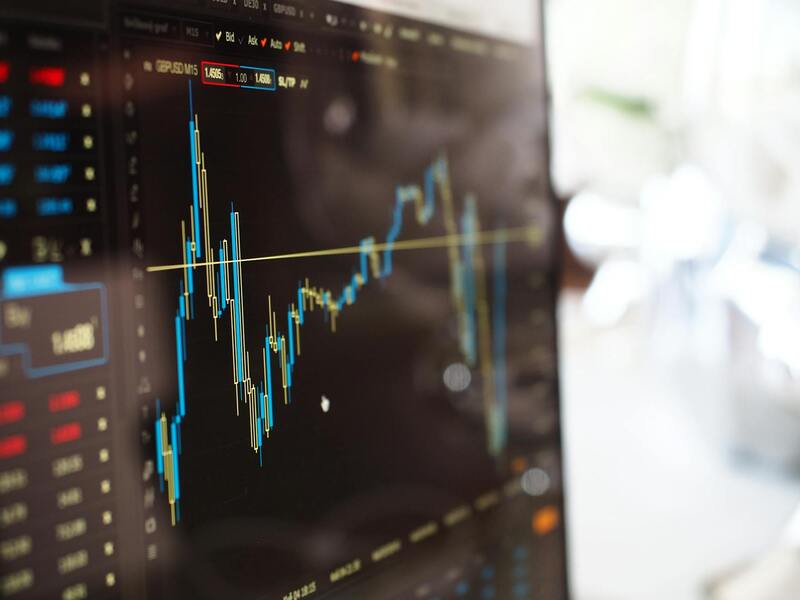
- Analytical Tools: Platforms equipped with charting, technical analysis, and fundamental data analysis to support informed decision-making.
- Algorithmic Trading Systems: Automated trading programs that execute orders based on pre-defined algorithms, minimizing human errors and optimizing trade timing.
- Risk Management Software: Tools for monitoring trading activities, enforcing limits, and ensuring compliance with internal and external standards.
- Reporting Platforms: Systems that generate detailed reports for performance tracking, compliance, and audit purposes.
Key Components of Prop Trading Technology
Effective prop trading technology integrates several crucial components to ensure seamless operation. These include:
- High-Speed Connectivity: Ensures traders can access market data and execute trades with minimal latency, which is vital for high-frequency trading.
- Advanced Data Analytics: Harnessing big data to identify patterns, trend signals, and optimal trading opportunities.
- Automated Trading Algorithms: Pre-programmed systems that can execute trades based on complex strategies without manual intervention.
- Secure Infrastructure: Employing state-of-the-art cybersecurity measures to protect sensitive financial data and trading operations against threats.
- Compliance & Risk Monitoring: Built-in controls that continuously oversee trading activities, enforce limits, and support adherence to industry standards.
Advancements in Trading Technologies
Recent innovations have markedly transformed how prop trading firms operate. The integration of artificial intelligence (AI) and machine learning (ML) has enhanced predictive analytics, allowing traders to anticipate market shifts with greater accuracy. These technologies enable the creation of adaptive trading algorithms that evolve based on incoming data, thus improving responsiveness during volatile periods.
Cloud computing affords scalability and flexibility, enabling firms to increase computational power and data storage capacity without significant infrastructural investments. This facilitates complex modeling and rapid deployment of new strategies across various markets and asset classes.
Adaptive risk management tools now dynamically adjust parameters in real-time according to market volatility, further safeguarding trading capital. Improved connectivity via direct market access (DMA) and optimized exchange APIs reduces latency, allowing for faster execution of trades — a pivotal factor in high-frequency trading environments.
Role of Prop Trading Technology in Market Efficiency
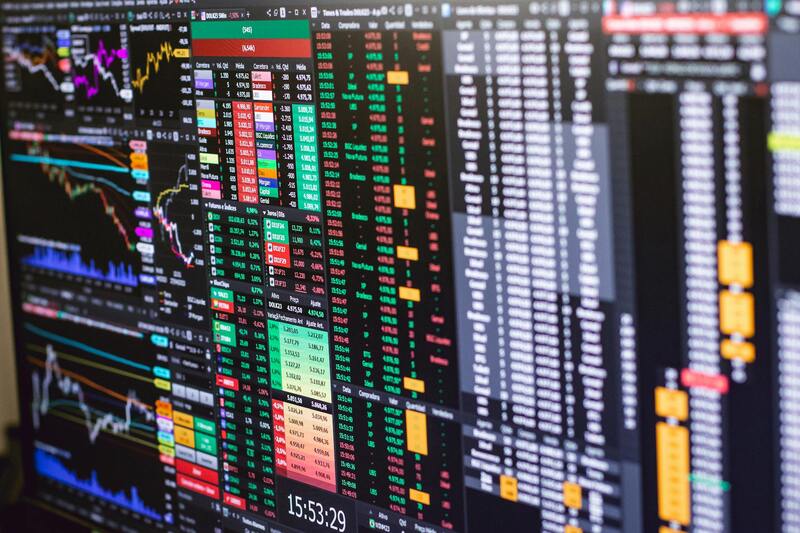
Prop trading technology significantly enhances overall market efficiency by facilitating faster information dissemination and execution. Automated systems reduce human latency, ensuring trades are executed at precise moments based on data-driven insights. This rapid response capability helps in minimizing price discrepancies and arbitrage opportunities.
Moreover, sophisticated risk controls and compliance features contribute to maintaining transparency and stability within markets. By deploying comprehensive monitoring and control mechanisms, firms help prevent manipulative practices and promote fair trading environments. As a result, markets become more resilient, reliable, and reflective of genuine supply and demand fundamentals.
Leading Proptech and Trading Tech Companies
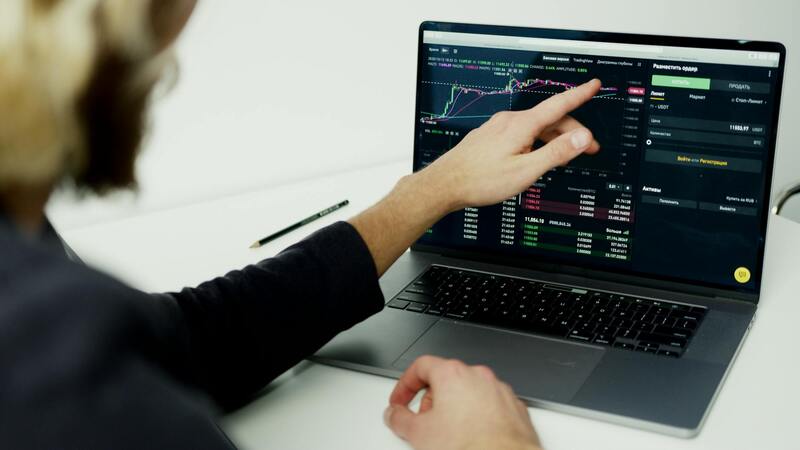
Numerous reputable companies lead in the development and deployment of prop trading technology. These firms specialize in creating innovative systems that support high-speed trading, data analytics, and risk management. Recognized leaders focus on delivering reliable, scalable, and compliant technological solutions tailored for prop trading environments.
Many of these industry leaders also invest heavily in research and development to stay ahead of technological trends, such as integration with artificial intelligence, machine learning, and cloud computing. Their platforms are widely adopted by proprietary trading firms seeking to gain a technological advantage in competitive markets.
Understanding Prop Trading Technology
Prop trading technology encompasses a sophisticated suite of software systems, hardware solutions, and connectivity infrastructure that enable proprietary trading firms to execute, monitor, and analyze trades with precision and efficiency. This technology forms the backbone of modern prop trading operations, allowing traders and firms to capitalize on market opportunities swiftly and accurately. Central to prop trading technology is its ability to process vast volumes of data in real-time, facilitate rapid order execution, and implement complex trading strategies across multiple asset classes.

Types of Prop Trading Software
Prop trading software can be broadly categorized based on their functions and architecture. These include:
- Order Execution Platforms: Focused on providing traders with rapid access to markets, these platforms are optimized for speed, reliability, and execution precision. They often feature customizable interfaces and integrate with multiple exchanges.
- Market Data Analysis Tools: These systems aggregate data from various sources, offering traders insight into market trends, liquidity, and price movements. They employ advanced analytics and visualization techniques to support informed decision-making.
- Risk Management Systems: Ensuring traders operate within predefined risk parameters, these tools monitor positions, enforce stop-loss limits, and help prevent excessive exposure. Some incorporate stress testing and scenario analysis.
- Algorithmic and Quantitative Trading Platforms: Designed for developing, testing, and deploying trading algorithms, these platforms support strategies that rely on mathematical models and machine learning techniques.
Key Components of Prop Trading Technology
Effective prop trading technology integrates several critical components to optimize performance and support compliance:
- High-Speed Data Feeds: Reliable, low-latency market data feeds provide real-time price quotes, news, and economic indicators, essential for timely trading decisions.
- Execution Algorithms: Sophisticated algorithms determine optimal order placement strategies, minimizing market impact and maximizing fill rates.
- Connectivity Infrastructure: Fast and redundant network connections ensure traders can access multiple exchanges and liquidity pools without interruption.
- Trade Management Systems: Centralized control panels and dashboards enable traders to oversee, modify, and evaluate active trades efficiently.
- Compliance and Audit Tools: These systems automate record-keeping, monitor trading activities for adherence to internal policies, and facilitate regulatory reporting.
Advancements in Trading Technologies
The landscape of prop trading technology continues to evolve through notable innovations:
- Artificial Intelligence and Machine Learning: AI-driven models analyze historical and live data to forecast market movements and optimize trading strategies in real time.
- Cloud Computing: Cloud-based solutions offer scalable resources for data processing, storage, and collaboration, reducing infrastructure costs and enhancing accessibility.
- Enhanced Connectivity Protocols: Technologies like FIX protocol upgrades and direct market access (DMA) solutions streamline trade execution and improve latency.
- Integration of Blockchain: Emerging blockchain applications facilitate transparent settlement processes and secure data sharing across trading platforms.

Role of Prop Trading Technology in Market Efficiency
Prop trading technology plays a vital role in enhancing market efficiency through multiple avenues:
- Liquidity Provision: Advanced trading systems enable firms to participate actively across various markets, contributing to tighter spreads and better price discovery.
- Price Accuracy: High-speed data processing and execution minimize discrepancies between quoted and transactional prices, leading to more transparent markets.
- Market Stability: Risk management tools and automated compliance systems help prevent excessive volatility caused by erratic trading behaviors.
- Innovation and Competition: Investment in cutting-edge technologies fosters a competitive environment that drives continuous improvements in market functioning.
Leading Proptech and Trading Tech Companies
Several firms excel in the development of innovative prop trading technologies, including providers of trading platforms, data analytics, and connectivity solutions. These companies focus on delivering scalable, reliable, and compliant tools tailored to proprietary trading needs. By investing heavily in research and development, they incorporate emerging technologies such as AI, machine learning, and cloud solutions to maintain technological leadership. Their systems are widely adopted by proprietary trading firms seeking competitive advantages in fast-paced markets.
