
Understanding Trade Tech Solutions and Their Role in Property Technology
Trade tech solutions are specialized technological tools designed to streamline and enhance various facets of real estate transactions, property management, and trading activities within the property industry. These solutions leverage advanced software, automation, and data analytics to facilitate efficient, accurate, and transparent dealings among stakeholders, including brokers, investors, lenders, and buyers.
In the context of proptech, trade tech solutions serve as vital platforms that foster seamless communication, secure transactions, and comprehensive market analysis. They facilitate digital transfer of ownership, automate trading processes, and enhance the accuracy of property data management. Their significance lies in their ability to reduce paperwork, minimize manual errors, and accelerate transaction timelines, ultimately leading to increased confidence and efficiency within property markets.
Moreover, trade tech solutions help bridge traditional gaps by integrating various platforms—such as multiple listing services (MLS), valuation tools, and transaction management systems—into cohesive environments. This integration enables real-time data sharing, better decision-making, and improved user experience for all involved parties.

Key Features of Trade Tech Solutions in Real Estate
Trade tech solutions encompass several core features that collectively streamline and optimize property transactions. These functionalities facilitate increased transparency, efficiency, and security throughout the deal process.
- Comprehensive Trading Platforms: Centralized digital environments where buyers, sellers, brokers, and investors can execute property trades. These platforms support multiple transaction types, from traditional sales to lease agreements, ensuring all stakeholders have access to up-to-date information and transaction tools.
- Data Integration and Management: Seamless integration of various data sources—such as property databases, valuation tools, and legal documentation—provides a holistic view of each deal. This interconnectedness enables more accurate assessments, quicker decision-making, and reduced data redundancies.
- Automated Processes: Automation of routine tasks—including document verification, transaction recording, and compliance checks—reduces manual workload and potential errors. Automated alerts and updates keep all parties informed at every stage of the deal, improving responsiveness.
- Advanced Analytics and Market Insights: Sophisticated analytical tools process vast amounts of property data to identify trends, forecast market movements, and suggest optimal transaction timing. These insights support strategic decision-making for investors and agents alike.
- Secure Transaction Architecture: Security protocols, such as encrypted communications and digital signatures, ensure transaction integrity and confidentiality, minimizing risks associated with digital exchanges.
- Real-Time Communication Tools: Integrated messaging and video conferencing capabilities facilitate prompt communication between parties, resolving issues swiftly and fostering collaborative negotiations.
Types of Trade Tech Software and Technologies
The landscape of trade tech employs a diverse array of software solutions tailored to optimize different facets of real estate transactions. These technologies can be grouped into several categories based on their primary functions:
- Platform-Based Solutions: Dedicated online portals that facilitate property trading, often offering integrated services such as listing, bidding, and contract management. Examples include multi-listing systems and specialized trading marketplaces.
- Data and Analytics Tools: Software that harnesses big data, AI, and machine learning to provide predictive insights, valuation models, and real estate market analysis, enabling users to make data-driven decisions.
- Blockchain and Digital Ledger Technologies: Platforms leveraging blockchain to ensure immutable record-keeping, enhance transaction transparency, and automate smart contracts, thereby increasing trust and efficiency.
- Automation and Workflow Management Tools: Software that automates documentation, compliance checks, and scheduling, reducing reliance on manual input and streamlining the overall process.
- Integration Frameworks: Middleware solutions that connect different systems—such as property databases, CRM platforms, and legal registries—allowing for cohesive data flow and operational harmony.
Understanding Trade Tech Solutions and Their Role in Property Technology
Trade tech solutions have become integral to modern property transactions, serving as the backbone for streamlined, transparent, and efficient real estate dealings. These solutions encompass a broad range of software platforms, tools, and systems specifically designed to meet the complex needs of property traders, investors, and brokers. By integrating automation, data analysis, and secure transaction methods, trade tech significantly reduces manual efforts and minimizes errors throughout the transaction lifecycle.
Central to the operation of trade tech solutions are technological frameworks that facilitate various stages of property trade—from listing to closing. These include dedicated online marketplaces that connect buyers and sellers in real-time, cloud-based data analytics tools that assess market trends, and blockchain platforms that ensure transaction integrity. Such technologies not only expedite deals but also foster a higher level of trust among participants by offering transparent and auditable record-keeping mechanisms.
The role of trade tech solutions extends beyond simple listing services. They incorporate sophisticated algorithms for predictive analytics, machine learning models for market forecasting, and smart contracts that automate transaction execution based on pre-set conditions. This convergence of technologies creates an environment where property exchanges are more efficient, with reduced timeframes and heightened security, ultimately contributing to the overall growth and robustness of the property market.
By leveraging these systems, real estate professionals can gain a competitive edge through real-time market information, streamlined compliance procedures, and automated documentation processes. Moreover, these solutions foster a more open trading platform where various stakeholders—ranging from individual investors to institutional players—can participate with confidence and ease.
As the industry continues to evolve, the importance of securing accurate data, ensuring transaction transparency, and providing automated workflow management becomes clearer. Trade tech solutions address these demands by offering flexible, scalable, and comprehensive platforms that adapt to changing market conditions and regulatory environments. Consequently, they serve as vital tools in modern real estate operations, supporting not only individual trades but also larger portfolio management efforts.
The adoption of trade tech within property technology signifies a shift towards more professionalized, technology-driven real estate markets. These solutions equip users with the resources needed to make informed decisions, conduct transactions smoothly, and maintain a competitive stance in a rapidly digitizing industry landscape. As a result, property stakeholders can expect increased transactional efficiency, reduced operational risks, and enhanced overall market confidence through the ongoing integration of trade tech innovations.
Understanding Trade Tech Solutions and Their Role in Property Technology
Trade tech solutions are integral to the modernization of the property industry, offering sophisticated platforms that streamline the exchange of real estate assets. These solutions leverage advanced technology to facilitate efficient transaction workflows, from initial property valuation to final transfer of ownership. By integrating tools such as digital documentation, contract automation, and real-time data analytics, trade tech solutions diminish manual effort, reduce errors, and accelerate deal closure processes.
Implementing trade tech solutions fosters transparency and enhances stakeholder confidence by providing clear and accessible transaction records. This transparency is underpinned by secure digital ledgers and verification mechanisms that ensure data integrity throughout the transaction lifecycle. Furthermore, these solutions support compliance management, automatically adjusting to regulatory updates and ensuring that transactions maintain adherence to relevant standards without requiring extensive manual oversight.

The role of trade tech extends beyond individual property deals; it encompasses portfolio management, investment analysis, and the facilitation of larger market exchanges. Using sophisticated algorithms and machine learning, these platforms analyze market trends, evaluate risk factors, and provide strategic insights to investors and brokers. This data-driven approach helps market participants make well-informed decisions, fostering a more fluid and dynamic trading environment.
Key Features of Trade Tech Solutions in Real Estate
- Real-time Market Data: Ensuring stakeholders have access to current market conditions, pricing, and demand-supply metrics.
- Automated Documentation: Streamlining paperwork through digital signatures, automated contract generation, and compliance checks.
- Secure Digital Transactions: Protecting sensitive information via encrypted platforms and blockchain technology where applicable.
- Workflow Management: Facilitating end-to-end transaction processes with minimal manual intervention, reducing delays.
- Analytics and Reporting: Offering insights into market trends, valuation models, and investment performance metrics.
- Integration Capabilities: Seamlessly connecting with other property management and financial systems for comprehensive portfolio oversight.
Types of Trade Tech Software and Technologies
Trade tech software varies widely in scope and specialization, but common categories include:
- Digital Trading Platforms: Web-based portals that facilitate property listings, bids, and transactions, often used by brokers and institutional investors.
- Automation and Workflow Tools: Software that automates repetitive tasks such as contract generation, compliance checks, and document signing.
- Data Analytics Systems: Platforms that harness big data to provide market insights, predictive analytics, and valuation tools.
- Blockchain Solutions: Distributed ledger technologies that enhance security, transparency, and traceability within property trades.
- Smart Contract Technologies: Self-executing contracts that automatically enforce terms and reduce the need for intermediaries.
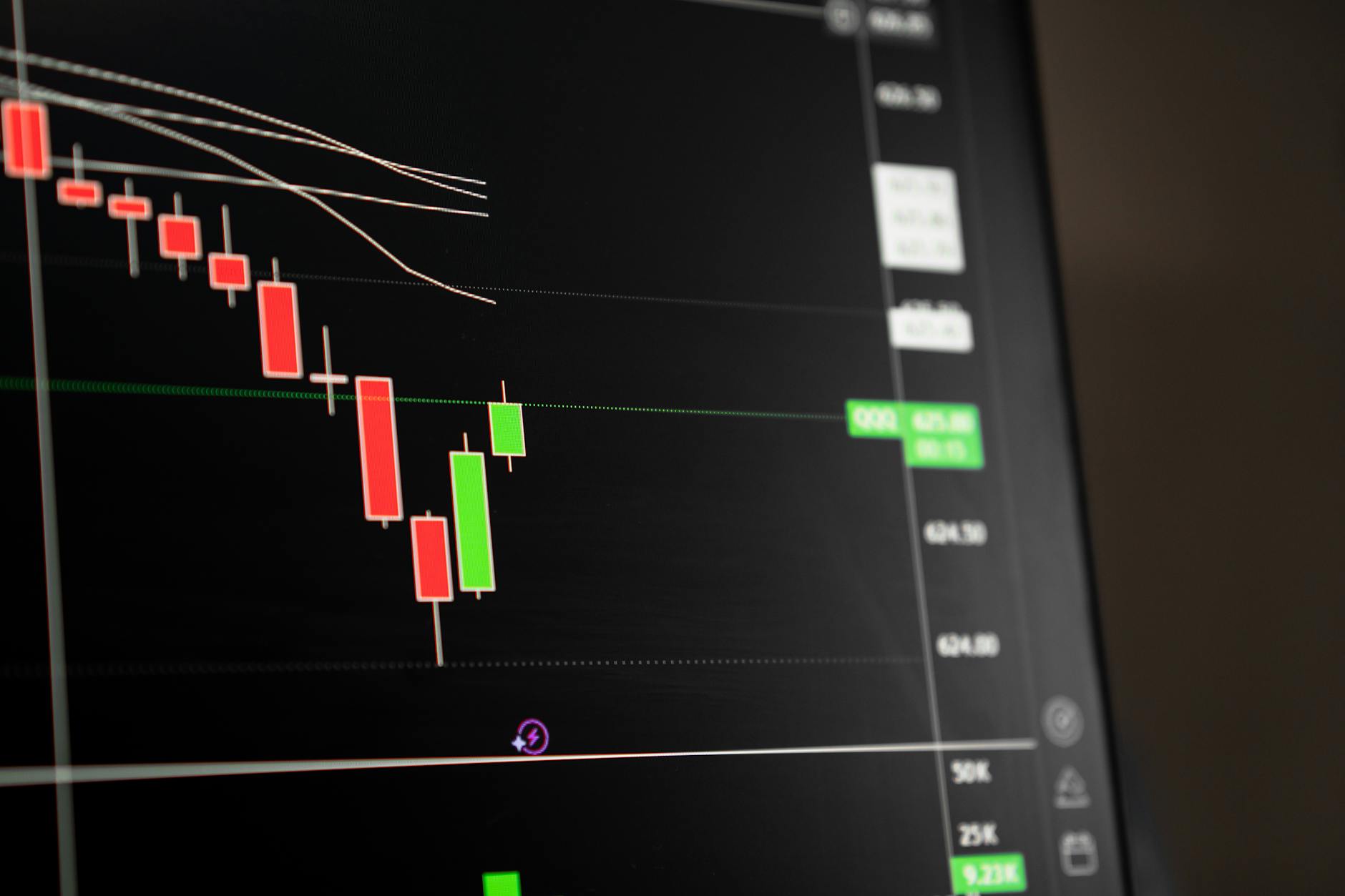
As the property industry continues to evolve digitally, these technologies are increasingly integrated into comprehensive platforms, offering end-to-end solutions that streamline complex transactions. Developers and service providers tailor these tools to suit different market segments, from individual investors to large-scale property firms, ensuring flexibility and scalability in deployment.
Understanding Trade Tech Solutions and Their Role in Property Technology
Trade tech solutions encompass a broad spectrum of digital tools and platforms designed to enhance the efficiency, security, and transparency of property transactions. These technologies serve as the backbone of modern property trading, facilitating seamless interactions between buyers, sellers, brokers, and institutional investors. At their core, trade tech solutions aim to automate complex processes, reduce manual intervention, and provide detailed data insights to support informed decision-making.

By leveraging innovative technologies, trade tech solutions simplify the traditionally cumbersome process of property trading, enabling quicker deal closures and reducing operational costs. These platforms typically integrate multiple functionalities such as listing management, bid handling, contract processing, and financial settlement, creating a cohesive environment that supports end-to-end transaction workflows.
Core Functions of Trade Technology in the Real Estate Sector
- Digital Marketplace Platforms: These portals centralize property listings, enabling investors and brokers to access and interact with available assets efficiently. They often incorporate real-time bidding and auction features, making the trading process more dynamic and transparent.
- Automation Tools: Automation within trade tech solutions handles routine tasks such as document generation, compliance verification, and contract execution. This reduces delays and minimizes the chances of human error.
- Data Analytics and Market Insights: Advanced analytics platforms aggregate market data, providing predictive analytics, trend forecasts, and property valuation metrics. These insights help traders identify optimal entry and exit points in the market.
- Blockchain and Distributed Ledger Technologies: Blockchain enhances transaction security by creating tamper-proof records. It also facilitates transparent transfer of ownership and traceability of assets, reducing disputes and enhancing confidence in digital trade processes.
- Smart Contract Integration: Smart contracts facilitate automatic enforcement of agreement terms, expediting transactions and reducing reliance on intermediaries for validation and execution.
Advantages of Deploying Trade Tech Solutions in Property Transactions
Incorporating advanced trade tech solutions delivers tangible benefits that significantly impact the efficiency and reliability of property trading activities:
- Enhanced Transaction Speed: Automating routine processes accelerates deal closure times, allowing for quicker market responsiveness.
- Increased Transparency: Digital records and blockchain technology ensure all parties have access to consistent and tamper-proof transaction histories.
- Risk Mitigation: Real-time data analysis and automated compliance checks reduce errors and mitigate operational risks.
- Cost Reduction: Reduced reliance on manual paperwork and intermediary involvement lowers transaction costs.
- Market Accessibility: Digital trading platforms open opportunities for a broader range of participants, including smaller investors and international traders.
Emerging Trends in Trade Tech for Property Markets
As the industry advances, several key trends are shaping the future landscape of trade tech solutions:
- Increased Integration with Financial Technologies: Combining property trading platforms with fintech solutions enables smoother fund transfers, payments, and financing options.
- AI and Machine Learning: These technologies enhance market insights, automate due diligence, and personalize trading experiences based on user behavior and preferences.
- Regulatory Technology (RegTech): Solutions designed to ensure compliance with evolving regulations, thereby reducing legal risks and streamlining approval processes.
- Interoperability and Open Platforms: Standardized protocols foster better integration between disparate systems, creating more comprehensive ecosystems for property trading.
- Advanced Security Measures: Ongoing developments in cybersecurity safeguard sensitive data and digital assets from malicious threats.
Understanding Trade Tech Solutions and Their Role in Property Technology
Trade technology solutions are transforming the landscape of property transactions by leveraging advanced digital tools to streamline, secure, and optimize the process of buying, selling, and managing real estate assets. These platforms are designed to facilitate seamless communication between buyers, sellers, brokers, and financial institutions, effectively reducing the reliance on traditional manual procedures and paper-based documentation. Central to trade tech solutions are functionalities such as digital record keeping, automated transaction workflows, real-time data sharing, and advanced analytics that enable stakeholders to make more informed decisions. Trade tech solutions serve as the backbone of modern property markets, offering a unified interface for transaction management, compliance, and reporting. By integrating various technological components—such as blockchain for immutable records, AI for predictive analytics, and cloud computing for scalable data storage—these platforms enhance transparency, reduce operational errors, and accelerate the completion of property deals. Their role extends beyond simple transaction facilitation; they also enable better market insights, risk management, and compliance adherence, creating a more resilient environment for real estate pursuits.

Key Features of Trade Tech Solutions in Real Estate
Trade tech solutions are distinguished by several core features that set them apart from traditional methods. These include:
- Digital Record Keeping: Secure, tamper-proof records stored on blockchain or cloud systems ensure data integrity and easy retrieval.
- Automated Workflows: Streamlining approval processes, documentation, and compliance through automation reduces manual intervention and accelerates transaction cycles.
- Data Analytics and Reporting: Advanced analytics provide insights into market trends, property values, and investment risks, aiding strategic decision-making.
- Real-Time Communication and Data Sharing: Participants can access and exchange information instantaneously, minimizing delays and misunderstandings.
- Secure Payment and Financing Integration: Seamless integration with payment gateways and financing platforms simplifies the financial aspect of property trading.
- Regulatory Compliance Modules: Built-in features ensure adherence to changing legal and regulatory standards, reducing compliance risks.
Types of Trade Tech Software and Technologies
Various types of software and technological innovations underpin trade tech solutions in the property sector. These include:
- Blockchain Platforms: For transparent, immutable transaction records that facilitate peer-to-peer trading without intermediaries.
- Artificial Intelligence (AI) and Machine Learning: For predictive analytics, automated due diligence, and personalized user experiences.
- Cloud-Based Solutions: Providing scalable, accessible platforms for seamless data management and remote collaboration.
- APIs and Open Protocols: To allow interoperability between various systems, enhancing ecosystem integration.
- Mobile Applications: Enabling agents, buyers, and sellers to manage transactions on the go, increasing flexibility and participation.

Major Companies and Market Leaders in Trade Tech Solutions
The industry features several prominent players recognized for their innovative platforms and comprehensive solutions:
- PropTech Giants: Companies providing end-to-end property trading platforms with integrated legal, financial, and data management tools.
- Blockchain Providers: Firms specializing in developing secure, transparent transaction ledgers tailored to real estate.
- AI and Data Analytics Firms: Organizations offering predictive tools to assess market trends, valuation models, and risk analysis.
- Consulting and Integration Specialists: Firms assisting real estate firms in deploying, customizing, and maintaining trade tech solutions for optimal results.
Benefits of Implementing Trade Tech Solutions for Real Estate Transactions
The successful application of trade tech platforms brings significant advantages to all market participants. Key benefits include:
- Enhanced Transaction Transparency: Digital records and blockchain ensure all parties have access to consistent, tamper-proof histories, fostering trust.
- Operational Efficiency: Automation reduces paperwork, manual checks, and administrative overhead, resulting in faster closing times.
- Cost Savings: Lower reliance on intermediaries and reduced legal and administrative expenses translate into significant savings.
- Market Accessibility: Digital trading platforms open doors for smaller investors, international participants, and emerging markets, broadening opportunities.
- Improved Decision-Making: Access to detailed analytics and real-time data assists investors and agents in making informed choices swiftly and confidently.
- Risk Mitigation: Continuous data analysis and automated compliance checks reduce errors, fraud, and operational risks.
Understanding Trade Tech Solutions and Their Role in Property Technology
Trade tech solutions have emerged as a pivotal element in the evolution of property technology, revolutionizing how real estate transactions are conducted. These solutions integrate advanced software, hardware, and digital platforms to streamline the buying, selling, leasing, and management of real estate assets. By leveraging secure data exchange, real-time information, and automated processes, trade tech facilitates a more transparent, efficient, and responsive property market.
One of the core functions of trade tech solutions involves digitizing transaction records, enhancing data integrity, and providing clear audit trails. This shift towards digital platforms also supports complex processes such as auctioning properties, managing escrow accounts, and verifying ownership details instantaneously. As a result, stakeholders—ranging from individual investors to large institutional firms—gain greater confidence and agility in executing deals.
The integration of blockchain technology within trade tech applications fosters trustworthiness by producing tamper-proof records and enabling peer-to-peer transactions without intermediaries. This technology allows for secure, transparent, and immutable entry of transaction data, making the entire process more reliable and accessible. Additionally, machine learning and AI-driven analytics contribute to predictive market modeling, risk assessment, and tailored investment strategies, further embedding trade tech solutions into the fabric of modern property dealings.

Key Features of Trade Tech Solutions in Real Estate
- Digital Transaction Management: Automating paperwork, signatures, and document validation to reduce manual intervention and errors.
- Blockchain Integration: Ensuring secure, unalterable records for property ownership and transaction history.
- Data Analytics and Market Insights: Providing real-time analytics for property valuation, market trends, and risk evaluation to inform investment decisions.
- Automated Compliance and Verification: Streamlining due diligence processes and ensuring adherence to regulatory standards.
- Secure Digital Payment Platforms: Facilitating seamless financial transactions with encryption and fraud protection mechanisms.
- Marketplace Platforms: Connecting buyers, sellers, and service providers within a unified digital ecosystem, making property trading more accessible.
Types of Trade Tech Software and Technologies
- Property Listing Platforms: Digital directories for properties on the market, integrated with data analytics for valuation insights.
- Transaction Platforms: Comprehensive tools that manage offers, negotiations, contracts, and escrow services within a secure environment.
- Blockchain-Based Ledgers: Technologies that record ownership and transaction histories to enhance transparency and reduce disputes.
- AI-Driven Market Analysis Tools: Predictive analytics platforms assessing market conditions to guide investment strategies.
- Automation and Workflow Management Systems: Streamlining processes such as document signing, compliance checks, and reporting.

Major Companies and Market Leaders in Trade Tech Solutions
Industry leaders in trade tech often include technology firms specializing in real estate solutions, blockchain providers, and data analytics companies. Notable entities include global software providers that offer end-to-end management platforms incorporating blockchain and AI capabilities. These companies continuously innovate in features such as secure transaction execution, digital escrow management, and real-time data analytics, positioning themselves at the forefront of property technology advancements.
While many firms focus on specific niches—such as property listings, transaction efficiency, or market analytics—an increasing number are integrating multiple functionalities to provide comprehensive platforms. These integrated solutions simplify the user experience and support all phases of property trading, from initial listing to final settlement.
Benefits of Implementing Trade Tech Solutions for Real Estate Transactions
Adopting trade tech solutions offers numerous advantages that enhance operational performance and market reach. These include:
- Enhanced Transaction Transparency: Digital records and blockchain reduce ambiguities and foster trust across all transaction participants.
- Operational Efficiency: Automation of workflows shortens transaction times, minimizes manual tasks, and reduces administrative costs.
- Cost Savings: Eliminating redundant intermediaries and automating compliance cuts overhead expenses substantially.
- Market Accessibility: Digital platforms extend opportunities to smaller investors, international clients, and lesser-served regions, expanding the investor base.
- Informed Decision-Making: Access to real-time data analytics enables stakeholders to assess risks and opportunities more effectively.
- Risk Mitigation: Automated checks and ongoing data validation help prevent errors, fraud, and operational lapses.
Challenges and Limitations of Trade Tech Adoption
Despite the clear benefits, implementing trade tech solutions involves overcoming certain hurdles. Compatibility issues may arise when integrating new systems with existing legacy infrastructure. Additionally, the need for comprehensive user training and change management can delay deployment and impact adoption rates. Ensuring consistent data quality, privacy protections, and secure access controls remain critical considerations—necessitating ongoing oversight and system updates to prevent vulnerabilities.
Furthermore, the development and maintenance of sophisticated platforms demand significant financial investment and technical expertise. Market volatility and regulatory shifts also influence how rapidly and effectively trade tech technologies evolve, requiring continuous innovation and adaptation by providers and users alike.
Advanced Data Security and Compliance in Trade Tech Solutions
As trade tech solutions become more integral to property transactions, prioritizing data security and regulatory adherence is paramount. The sensitive nature of transaction data, involving detailed financial information, personal details, and contractual documents, requires robust protection measures. Implementing advanced encryption protocols during data transmission and storage is key to safeguarding this information against potential breaches.
Organizations must adopt comprehensive access controls, including multi-factor authentication and role-based permissions, to ensure that only authorized personnel can view or modify transaction data. Regular security audits and vulnerability assessments are vital to identify and address potential weaknesses, maintaining the integrity of the trading environment.
Compliance Management and Regulatory Frameworks
Trade tech providers operate within a complex landscape of regulations designed to facilitate transparency and prevent misconduct. Keeping systems aligned with current compliance standards involves integrating automated audit trails, real-time monitoring, and reporting functionalities. These features help stakeholders adhere to anti-money laundering (AML) policies, know-your-customer (KYC) procedures, and other pertinent regulations without disrupting operational efficiency.
Investing in compliance management tools that are adaptable to jurisdictional variations ensures that property transactions meet all legal and reporting requirements. Such capabilities also streamline the process of adapting to new rules or amendments, maintaining continuity and reducing manual oversight.
Role of Blockchain and Cryptographic Technologies
Emerging blockchain solutions play an increasingly strategic role in enhancing transaction transparency, traceability, and security. By decentralizing data storage and utilizing cryptographic hashing, blockchain helps create immutable records of property trades, reducing the risk of tampering and fraud. Smart contracts, programmable agreements that execute automatically upon meeting certain conditions, further streamline processes, reducing reliance on intermediaries and accelerating settlement times.
These technologies also facilitate secure digital identities for parties involved in property transactions, enabling seamless verification and authentication. As adoption grows, integrating blockchain with existing trade tech platforms can significantly enhance operational resilience and stakeholder confidence.

Implementing these advanced security measures requires careful planning, collaboration with technology providers, and ongoing maintenance. Regular updates are necessary to counter emerging threats, while user education ensures that all participants can navigate secure systems effectively.
Continued Innovation and Stakeholder Engagement
Staying ahead in the trade tech landscape involves continuous exploration of emerging technologies and fostering open communication among stakeholders. Having specialized support from industry consultants, cybersecurity experts, and legal advisors can facilitate smooth integration of novel solutions while maintaining operational integrity.
Effective stakeholder engagement, including ongoing training and transparent communication, enhances trust and adoption. Involving end-users in the development process can also identify practical challenges early, enabling tailored solutions that address real-world needs.
