
Overview of Trading Technologies in Proptech
Trading technologies encompass a wide array of digital tools, platforms, and systems designed to facilitate the buying, selling, and management of financial assets and transactions. In the context of the proptech industry, these technologies serve as vital components that optimize the trading and management of real estate-backed financial products, investment transactions, and property exchange processes. As technological innovation accelerates, the integration of advanced trading systems has become instrumental in enhancing transparency, efficiency, and data accuracy across various real estate market activities.
Within the property technology (proptech) landscape, trading technologies provide stakeholders—including investors, developers, agents, and property managers—with streamlined mechanisms for executing trade-related functions. These functions range from real-time market data analysis to automated transaction execution, ensuring that market participants can respond swiftly and accurately to changing conditions. The importance of trading technologies in proptech is underscored by their capacity to reduce transaction costs, improve market liquidity, and facilitate better decision-making through comprehensive data insights.
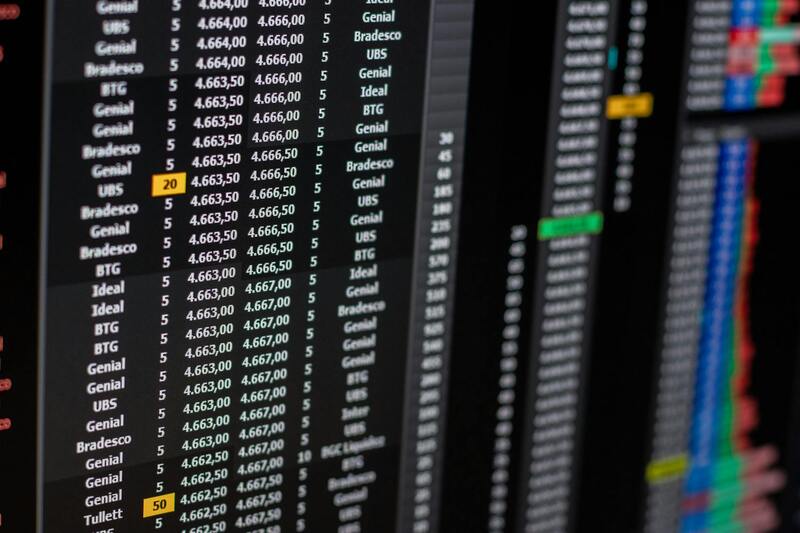
In recent years, the adoption of sophisticated trading systems has transformed traditional property transaction processes into more dynamic, scalable, and transparent operations. This transformation is crucial for integrating real estate assets with financial markets, enabling a broader array of investment opportunities and regulatory compliance. As the proptech sector continues to evolve, trading technologies are set to play an increasingly critical role in shaping the future of property investments and asset management.
Key Components of Trading Technologies
- Real-Time Data Feeds: Immediate access to market prices, property valuation trends, and transaction volumes.
- Automated Trading Platforms: Software that executes trades automatically based on pre-set algorithms and market conditions.
- Risk Management Systems: Tools that assess and mitigate potential financial risks associated with property transactions.
- Analytics and Reporting Tools: Advanced systems that analyze historical data, generate insights, and support strategic decisions.
- Secure Communication Protocols: Ensuring confidentiality and integrity of transaction data and client information.
Applications of Trading Technologies in Proptech
Trading technologies are employed across various facets of the proptech industry:
- Property Investment Platforms: Facilitating stock-like trading of real estate assets or securities backed by property portfolios.
- Asset Management: Enhancing operational efficiency through automated data monitoring and transaction execution.
- Marketplaces: Connecting buyers and sellers with transparent, real-time transaction capabilities.
- Financing and Funding: Streamlining the process of raising capital through tokenization and digital securities.
- Data Analysis & Market Prediction: Utilizing large datasets and AI tools to forecast market trends and property values.
Benefits of Implementing Trading Technologies
- Improved transaction speed and efficiency, reducing delays and operational costs.
- Enhanced market transparency and data accuracy for all participants.
- Better risk assessment and management through sophisticated analytics.
- Broader access to diverse property investment opportunities.
- Increased liquidity for real estate assets and securities.
Key Components of Trading Technologies
Trading technologies encompass a range of sophisticated components designed to optimize the buying, selling, and management of real estate assets through digital platforms. These core elements are instrumental in providing transparency, speed, and precision in property transactions and portfolio management.
Trading Platforms
At the heart of modern trading technologies are advanced trading platforms that serve as the primary interface for investors, brokers, and asset managers. These platforms enable seamless execution of trades, real-time market data access, and account management. They often integrate features such as order types, risk controls, and portfolio monitoring, facilitating an intuitive and efficient trading experience. Secure and scalable, these platforms support multi-asset trading, including securities backed by real estate, property shares, or tokenized assets.

Algorithmic Trading
Algorithmic trading automates decision-making processes using pre-set algorithms based on quantitative models, market signals, and risk parameters. This technology reduces human error and emotional biases, enabling high-frequency transactions and complex strategies such as arbitrage and market making. In the proptech realm, algorithmic trading assists in managing large portfolios, executing trades at optimal prices, and swiftly responding to market shifts, ultimately enhancing efficiency and profitability.
Data Analytics and AI Integration
Data analytics and artificial intelligence form the backbone of smart trading strategies. By analyzing historical market data, property valuations, and macroeconomic indicators, these tools generate predictive insights that guide investment decisions. AI-powered models identify trends, assess risks, and optimize trading signals in real time. This integration ensures that traders and portfolio managers are equipped with actionable intelligence, maintaining a competitive edge in dynamic property markets.
Automation and Back-Office Tools
Automation tools streamline operational workflows such as compliance checks, contract processing, and settlement procedures. Automated workflows minimize manual intervention, reduce errors, and accelerate transaction cycles. In digital property marketplaces and securities trading, automation ensures smooth execution from order placement to settlement, enhancing overall system reliability and reducing operational costs.
Security Protocols and Data Protection
Robust security measures, including encryption, multi-factor authentication, and secure communication channels, safeguard sensitive transaction data and client information. Given the digital nature of proptech trading applications, maintaining data integrity and confidentiality is paramount. These security protocols adapt continually to emerging threats and ensure that all transactions are executed within a secure environment, fostering trust among participants.
Implementing these components effectively necessitates adherence to high standards of technological excellence and regulatory compliance. The integration of trading platforms, algorithmic tools, data analytics, automation, and security protocols creates a comprehensive infrastructure capable of supporting the complex demands of property and real estate markets.
Applications of Trading Technologies in Proptech
Trading technologies serve as the backbone for a variety of applications within the proptech sector, transforming traditional practices into highly efficient, technology-driven processes. Their integration enhances the transparency, speed, and reliability of property transactions, positioning the industry for sustained growth and innovation. These applications include the facilitation of property trading, streamlining real estate investments, and automating complex transaction workflows, all supported by advanced platforms and tools.
Property Trading Platforms
Modern property trading relies heavily on sophisticated platforms that enable seamless match-making between buyers and sellers. These platforms incorporate real-time data feeds, market analytics, and user-friendly interfaces, allowing participants to execute trades swiftly and with confidence. By leveraging order management systems and digital marketplace features, traders can access comprehensive property portfolios, perform due diligence, and finalize deals without the delays characteristic of manual processes.
Real Estate Investment Automation
Automated investment solutions utilize algorithms and data analytics to identify promising opportunities, manage risks, and optimize portfolio performance. These tools analyze market trends, property valuations, and financial indicators to support investment decisions in real time. Through automation, investors can diversify their holdings efficiently, monitor market conditions proactively, and adjust their strategies promptly to maximize returns.
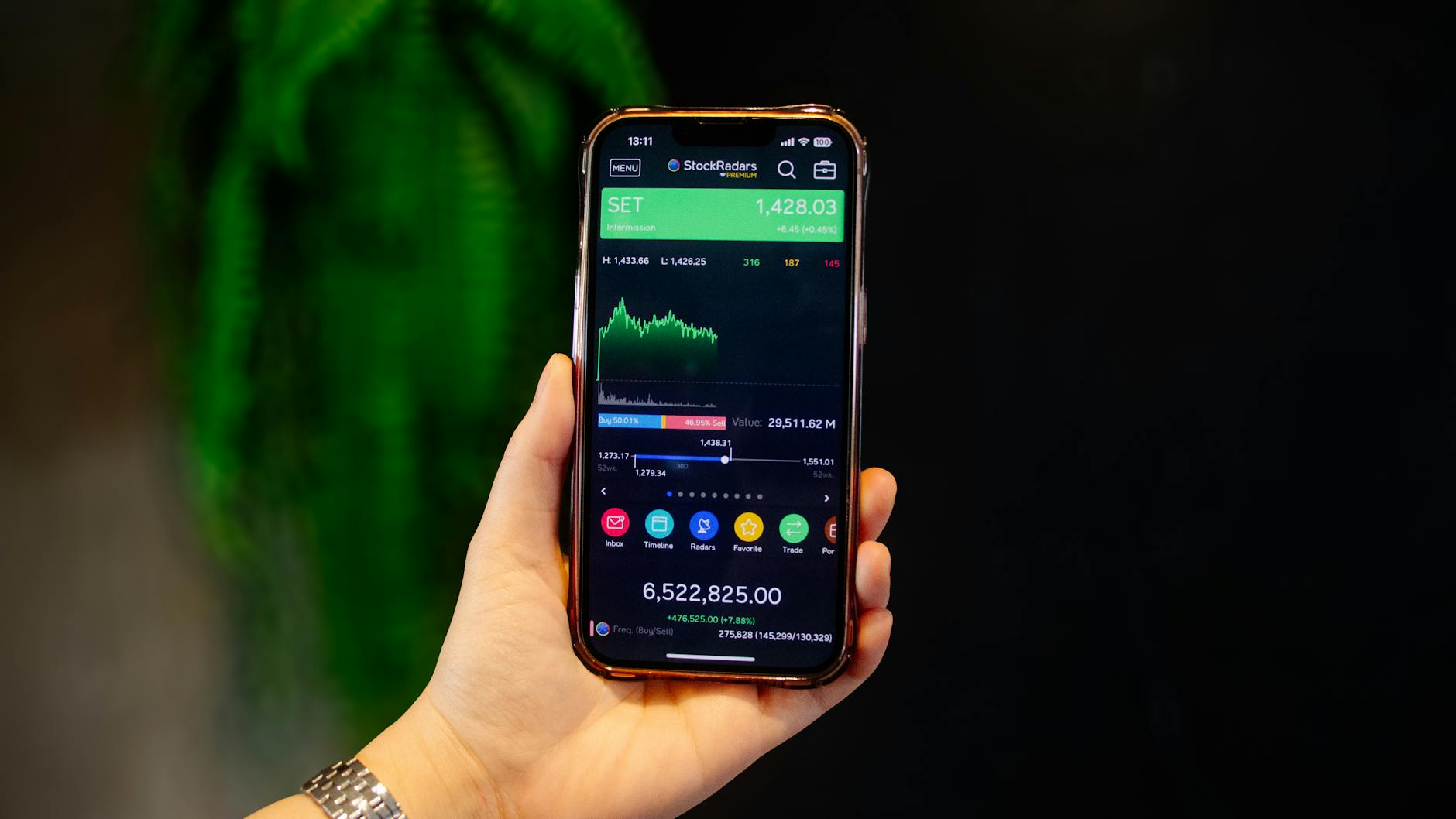
Transaction and Settlement Automation
Automation extends to the entire lifecycle of property transactions, from initial offer and agreement to final settlement. Smart contract technology, embedded within trading systems, ensures that contractual obligations are automatically enforced and executed once predefined conditions are met. This reduces the time and administrative overhead associated with manual contract processing, decreases the likelihood of disputes, and accelerates the closing process.
Data-Driven Market Analysis
Advanced data analytics tools integrated into trading platforms empower market participants with insights into property valuations, market demand, and pricing trends. Such insights facilitate more informed decision-making, strategic planning, and competitive positioning. Machine learning models can also predict future market movements, enabling traders to adapt their strategies proactively.
Security and Compliance in Application
Given the sensitive nature of property transactions, these technological applications employ robust security measures, including encryption protocols, secure user authentication, and activity monitoring. Compliance with regulatory frameworks and data privacy standards is integral to maintaining integrity and trust in trading activities. Automated audit trails and reporting functionalities further strengthen compliance efforts, enabling transparency and accountability throughout trading processes.
Overview of Trading Technologies in Proptech
Trading technologies serve as the backbone for modern property transactions, integrating sophisticated systems that streamline various processes across the property market ecosystem. These technologies encompass software platforms, automation tools, data analytics modules, and secure communication protocols, all designed to enhance accuracy, speed, and transparency in property trading activities.
In proptech, trading systems enable stakeholders—such as brokers, investors, and property managers—to execute transactions swiftly and with reduced manual intervention. Through real-time data processing and automated workflows, these technologies facilitate everything from initial bid submissions to settlement finalization. Their ability to connect different parties within a unified platform ensures smoother coordination, minimizes errors, and accelerates turnaround times for property deals.

Key Components of Trading Technologies
- Distributed Ledger Technologies (DLT): These underpin smart contracts and ensure secure, tamper-proof transaction records that facilitate trustworthy property exchanges.
- Automation Engines: Embedded automation handles repetitive tasks such as document verification, compliance checks, and fund transfers, significantly reducing processing times.
- Data Analytics Platforms: Integrated tools analyze vast quantities of market data, allowing stakeholders to identify trends, evaluate property values, and make data-driven decisions.
- Secure Communication Channels: Encrypted messaging and authentication protocols protect sensitive information during transaction exchanges.
- User Interface and Accessibility: Intuitive dashboards and mobile-friendly platforms enhance user engagement and streamline workflow management across devices.
Applications of Trading Technologies in Proptech
Adoption of trading technologies in the property sector extends across several key applications:
- Streamlined Property Transactions: Automation reduces manual paperwork, speeds up approval processes, and ensures accurate data handling from listing through closing.
- Tokenization and Digital Assets: Platforms facilitate the creation and trading of property-backed tokens, expanding access to investment opportunities and enabling fractional ownership.
- Market Intelligence and Valuation: Advanced analytics provide insights into property valuations, market demand, and pricing trends, supporting strategic investment decisions.
- Transaction Security and Compliance: Enhanced security measures and automated compliance protocols mitigate risks and uphold regulatory standards.
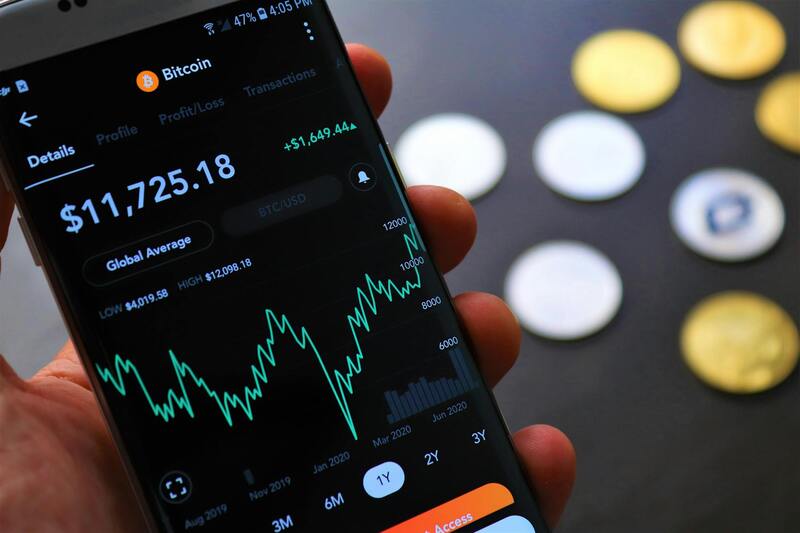
Leading Trading Tech Solutions and Companies
Numerous companies have established themselves as pioneers in delivering sophisticated trading technologies tailored for the proptech industry. These providers focus on integrating advanced software solutions, secure platforms, and innovative interfaces that meet the demanding needs of real estate professionals, investors, and technology firms. The primary goal of these companies is to facilitate efficient transactions, enhance transparency, and support scalable growth within the property market.
One notable segment within this sphere includes firms that specialize in developing comprehensive trading platforms that support the tokenization of real estate assets. These platforms enable users to buy, sell, or trade fractional shares of property-backed tokens with ease, fostering broader access to property investment markets. Their robust infrastructure often includes integrated compliance modules, secure transaction channels, and real-time market data analytics, which ensure a seamless trading experience.
Another critical area is the emergence of market intelligence solutions. Companies offer platforms embedded with advanced analytics, predictive modeling, and automated valuation tools. Such technologies empower stakeholders to make informed decisions based on real-time data, market trends, and predictive insights, greatly reducing uncertainty in property transactions and valuations.

Furthermore, innovative companies are pioneering the development of secure communication protocols and encrypted transaction channels. These systems ensure that sensitive information such as transaction details, contractual agreements, and personal data remains protected against unauthorized access, thereby bolstering trust among users.
Industry leaders also emphasize the importance of intuitive user interfaces and mobile accessibility. Their platforms are designed to be user-friendly, empowering real estate professionals and investors to manage transactions on the go, access market insights instantly, and collaborate seamlessly across devices and locations.
Market Trends and Growth Factors
The adoption of trading technologies in proptech is significantly driven by factors such as increasing digitalization, a surge in property investment via digital assets, and the growing demand for transparency and efficiency in real estate transactions. As these trends accelerate, the industry witnesses a continuous influx of innovative solutions that integrate blockchain, artificial intelligence, and big data analytics to further streamline processes and expand market reach.
Challenges and Considerations
Despite the rapid advancements, implementing trading technologies involves addressing several challenges. Integration with existing legacy systems, ensuring data security, and meeting regulatory compliance standards require meticulous planning and execution. Additionally, fostering user trust and confidence in digital asset transactions remains a critical aspect that companies must prioritize to achieve widespread adoption.
Future Outlook of Trading Technologies in Proptech
The future of trading technologies in the property sector is poised for transformative growth. Emerging trends include increased adoption of blockchain-based solutions for enhanced security and transparency, the rise of AI-powered decision support tools, and expanded utilization of digital currencies for property transactions. As these technologies evolve, they will continue to reshape the landscape of property trading and investment, making transactions faster, more transparent, and accessible to a global audience.
Market Trends and Growth Factors
The adoption of trading technologies within the proptech sphere is experiencing rapid expansion, driven by a combination of emerging digital trends and market demands. The increasing shift towards digital real estate transactions is a cornerstone for growth, with more market participants seeking efficiencies, greater transparency, and faster settlement times. The integration of advanced data analytics enables traders and investors to make more informed decisions, fostering a data-driven approach to property investment.
Blockchain technology plays a pivotal role in this evolution, offering decentralized ledgers that dramatically reduce settlement times and enhance security. Digital asset platforms now facilitate seamless cross-border transactions, enabling investors to diversify portfolios internationally without the traditional delays and costs associated with physical transfers.
Moreover, the rise of artificial intelligence and machine learning algorithms has improved predictive analytics, risk assessment, and automated trading strategies. These technological advancements have not only increased volume and participation but also attracted a new demographic of investors who prefer digital-first solutions.
Market size projections indicate a significant upward trajectory, with reports forecasting continued double-digit growth over the next several years. Factors such as increasing digital literacy, the proliferation of smartphones and internet access, and regulatory support for digital real estate transactions contribute to this expansion. The collaborative effort between fintech firms and real estate agencies further accelerates the integration of trading technologies into mainstream property investment practices.

Key Influences Accelerating Adoption
- Digital Infrastructure Development: Improvements in broadband connectivity and mobile technology facilitate access to advanced trading platforms.
- Regulatory Frameworks: Clarity and support from regulatory bodies promote innovation and confidence in digital property transactions.
- Enhanced User Experience: Intuitive interfaces and integrated services make trading technologies accessible to a broader audience.
- Global Market Accessibility: Digital solutions remove geographical barriers, allowing for international property investments.
- Innovative Financing Methods: Digital currencies and tokenization lower barriers to entry and provide liquidity options previously unavailable.
Impact on Industry Dynamics
The widespread adoption of trading technologies is reshaping traditional real estate markets by introducing efficiencies and diversification opportunities. Agents, brokers, and investors now leverage sophisticated platforms that facilitate real-time trading, comprehensive analytics, and automated workflows—reducing reliance on manual processes and paperwork. This digital transformation results in faster deal closures, minimized transaction costs, and enhanced transparency that benefits all stakeholders.

Market Trends and Growth Factors
Recent advancements in trading technologies are fundamentally transforming the landscape of commercial and residential property exchanges. A key trend is the increasing integration of digital platforms that streamline transactional workflows, enabling market participants to execute deals swiftly and with greater precision. As these platforms evolve, they are incorporating features like real-time market data analytics, predictive modeling, and automated trading algorithms, which serve to enhance decision-making processes.
Global accessibility remains a critical driver for growth. Digital trading solutions dismantle geographical and institutional barriers, allowing investors and property managers from different regions to participate in markets previously deemed inaccessible. This inclusiveness broadens market liquidity and spurs international property investment, fostering a more interconnected property ecosystem.
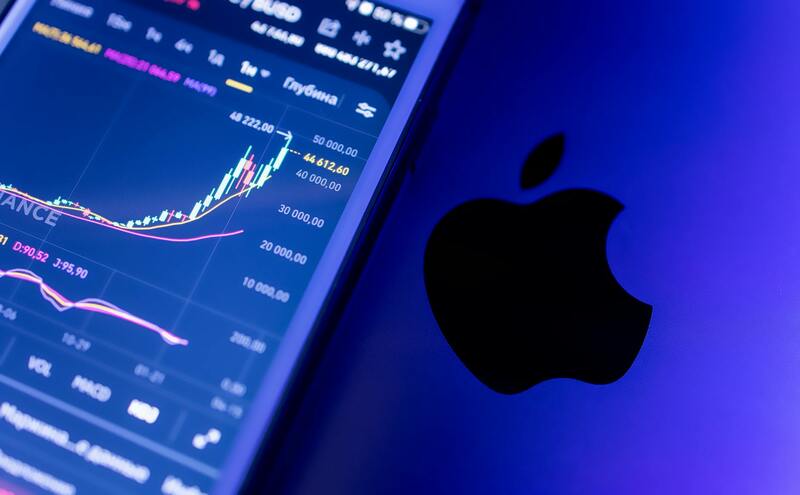
In tandem with technological advancements, regulatory frameworks are increasingly supportive, providing clarity that helps refine digital transaction protocols and protects participant interests. Enhanced security features, compliance automation, and verified transaction processes bolster confidence in digital trading environments, encouraging wider adoption within the property industry.
Innovative Financing Methods
One of the most groundbreaking influences of trading technologies is the emergence of alternative financing avenues such as digital currencies and tokenization. These methods lower entry barriers for smaller investors, offering fractional ownership and increased liquidity. Tokenized assets, for instance, enable properties to be divided into tradable units, making investment opportunities more flexible and accessible. Digital currencies facilitate seamless cross-border transactions, reducing costs and settlement times, which traditionally hindered international property deals.
Impact on Industry Dynamics
The adoption of advanced trading platforms accelerates deal execution times and enhances transactional transparency. Industry stakeholders—ranging from property developers to institutional investors—benefit from integrated analytics and automated workflows, which result in significant efficiency gains. These improvements foster a more responsive market environment, capable of adapting swiftly to changing economic conditions and investor demands.

Furthermore, these technological innovations are contributing to a more diversified property portfolio landscape. Investors can now explore emerging markets or niche sectors with confidence, backed by data-driven insights and secure trading mechanisms. As the industry continues to adapt, more stakeholders are likely to leverage these tools to optimize investment strategies and manage portfolios more effectively.
Overview of Trading Technologies in Proptech
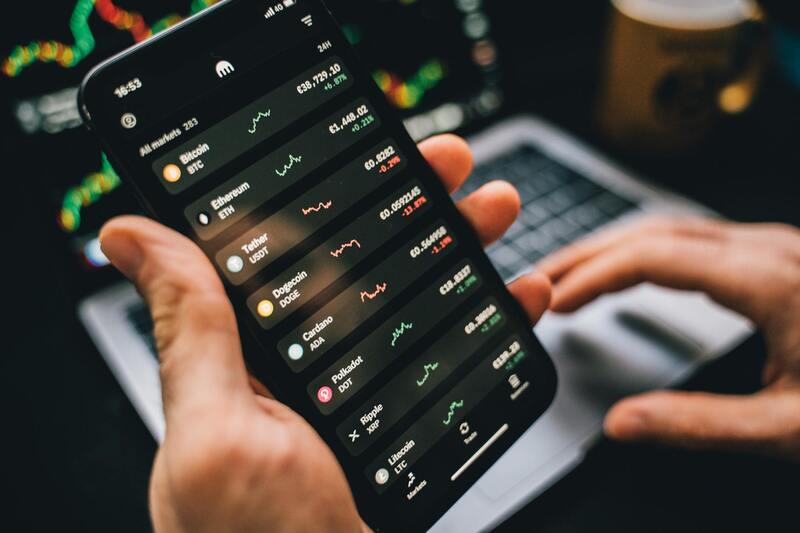
Trading technologies have become integral to modern property markets, serving as the backbone for transaction execution, asset management, and market analysis. These sophisticated systems facilitate the seamless transfer of ownership, enable real-time pricing, and support complex financial instruments related to real estate. By leveraging trading platforms, investors and developers gain access to a dynamic environment where trading activities are streamlined through automation, comprehensive data integration, and secure transaction protocols. Their deployment ensures that property trades are not only efficient but also transparent, fostering trust among diverse market participants.

Key Components of Trading Technologies
Understanding the core elements of trading technologies is essential for recognizing their impact on the property sector. These components include:
- Order Management Systems (OMS): Facilitate the placement, tracking, and execution of trade orders with precision and speed. OMS integrates with other trading tools to optimize execution strategies.
- Market Data Feeds: Provide real-time information on property prices, market trends, and financial metrics. Accurate data ensures informed decision-making.
- Automated Trading Algorithms: Use predefined criteria to execute trades automatically, reducing response times and human error.
- Risk Management Tools: Monitor exposure, perform stress tests, and determine optimal hedge ratios to protect investments.
- Connectivity Infrastructure: Ensures seamless integration between trading platforms, financial institutions, and data providers for smooth transactions.
Applications of Trading Technologies in Proptech
These technological solutions find diverse applications across the property industry, enhancing various aspects of asset trading and management:
- Asset Liquidity and Fractional Ownership: Tokenization and digital trading platforms allow investors to buy and sell fractional property shares, boosting liquidity and opening markets to smaller investors.
- Cross-Border Property Transactions: Digital currencies and advanced trading platforms facilitate swift international deals, reducing settlement times and transaction costs.
- Market Analytics and Portfolio Optimization: Advanced analytics enable stakeholders to assess market conditions, forecast trends, and optimize property portfolios based on data-driven insights.
- Automated Property Deal Execution: Algorithms automate complex negotiations and contractual processes, increasing efficiency and reducing operational overhead.
- Transparent Transaction Histories: Blockchain-based systems securely record trade histories, fostering transparency and accountability.
Benefits of Implementing Trading Technologies
The adoption of trading platforms and related technologies yields significant advantages for the property industry:
- Enhanced Transaction Speed: Automation and integrated processes significantly reduce the time required to close deals.
- Increased Market Transparency: Real-time data sharing and blockchain record keeping foster greater trust and clarity among market players.
- Reduced Operational Risks: Risk management tools help mitigate potential losses and comply with regulatory standards.
- Expanded Market Access: Digital platforms allow participation from a broader pool of investors, including those in emerging markets.
- Portfolio Diversification: Data-driven insights support investors in exploring new sectors and geographic regions with confidence.
Leading Trading Tech Solutions and Companies
Several technology providers have established themselves as leaders in creating robust trading platforms tailored to proptech needs:
- Proptech-focused Trading Platforms: Companies offering end-to-end solutions for property transactions, including tokenization, online bidding, and automated workflows.
- Financial Software Developers: Firms specializing in risk management, analytics, and algorithmic trading tailored for property assets.
- Blockchain Providers: Enterprises delivering secure ledger technology to record and verify property trades, ownership history, and contractual agreements.
- Data Analytics Companies: Organizations providing advanced tools for market forecasting, investment analysis, and portfolio optimization.
Market Trends and Growth Factors
Several emerging trends are shaping the landscape of trading technologies in proptech:
- Increased Adoption of Digital Currencies: Facilitates faster cross-border transactions and opens global markets.
- Tokenization of Assets: Enhances liquidity and fractional ownership opportunities for investors.
- Integration of Artificial Intelligence (AI): Improves predictive analytics, risk assessment, and automation capabilities.
- Regulatory Evolutions: Establish clearer guidelines for digital trading platforms, fostering innovation and safer investments.
- Enhanced User Interfaces: Focus on intuitive interfaces that democratize access for investors of varying expertise levels.
Challenges and Considerations
While the advantages are considerable, deploying trading technologies also involves certain challenges that require strategic planning:
- Data Security: Ensuring robust encryption and cybersecurity measures to protect sensitive transaction data.
- Technological Integration: Seamlessly connecting legacy systems with new trading platforms to avoid operational disruptions.
- Regulatory Compliance: Navigating complex legal frameworks across different jurisdictions.
- Market Acceptance: Convincing traditional stakeholders to embrace digital trading solutions and adjust operational models.
- System Scalability: Building flexible platforms capable of handling increased transaction volumes as markets grow.
